The question we are asked most, in the shop and by email, is simple: what wetsuit thickness do I actually need? The honest answer depends on three things: the water temperature, how long you plan to stay in, and whether you run warm or cold. Get those roughly right and the rest is comfort rather than guesswork.
What the water is doing
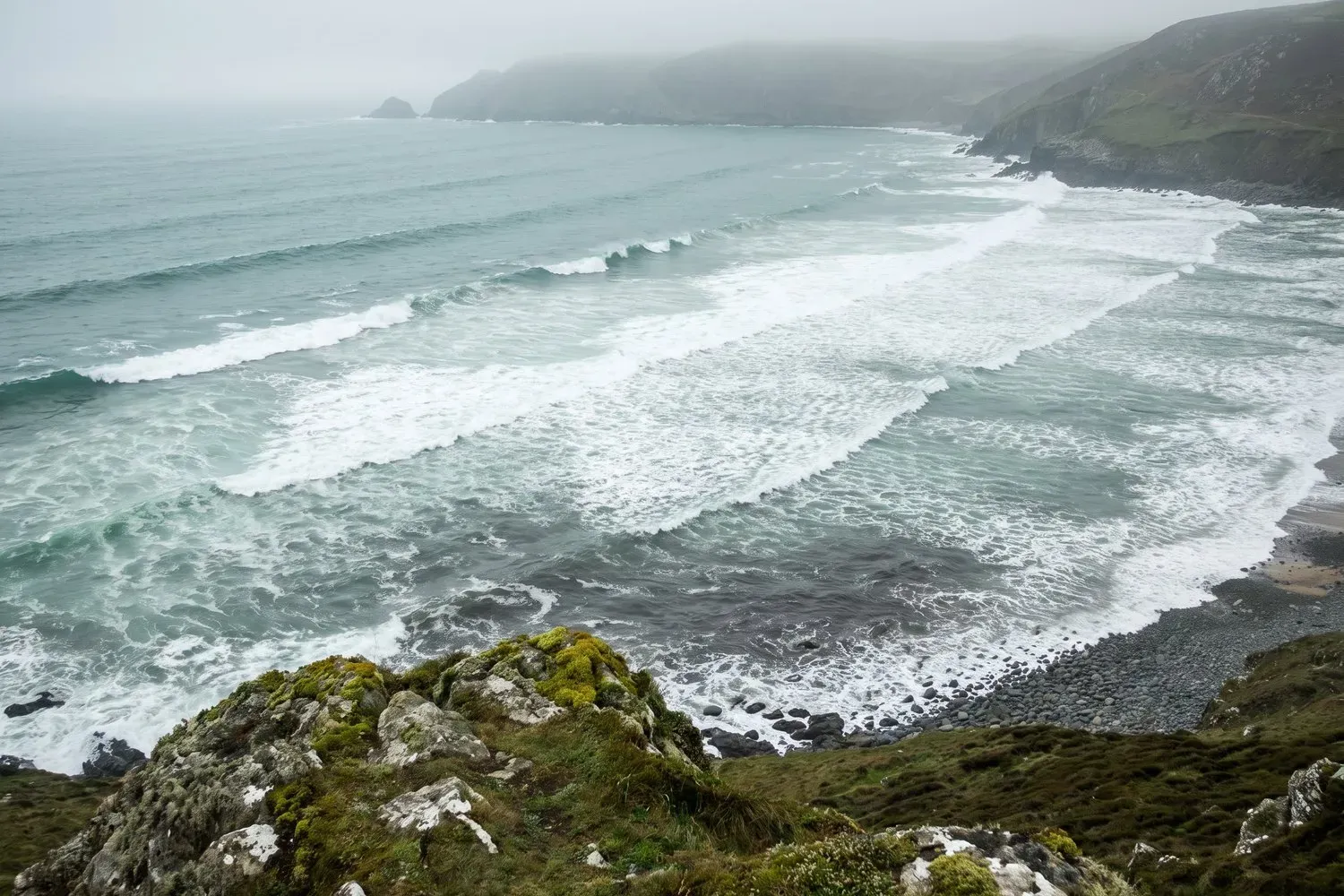
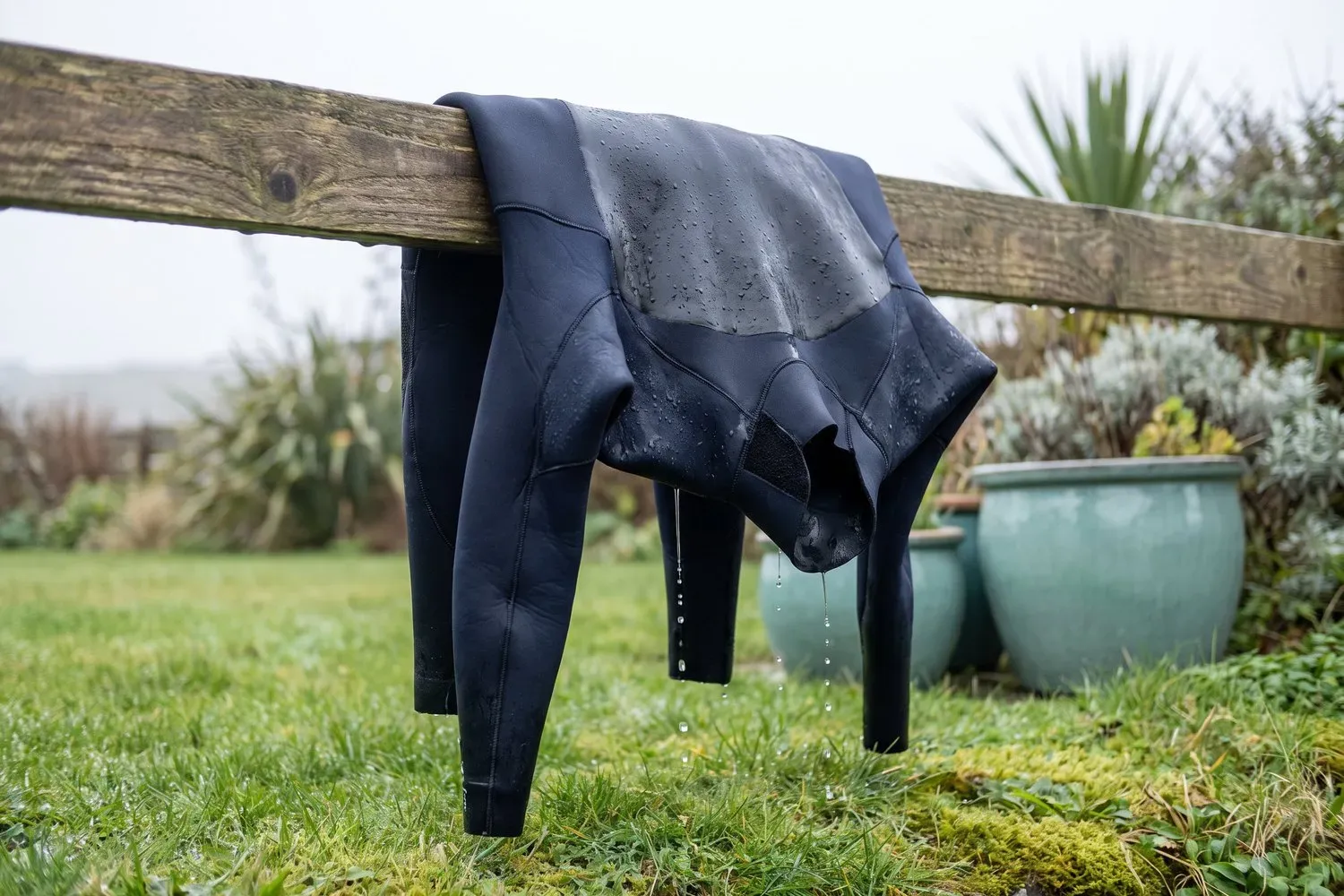
Sea temperatures on St Ives Bay move slowly through the year, and they lag a long way behind the air. From December to April the water sits between 8 and 12°C. That is the range a hooded 5/4 is built for, and on a January dawn it is the difference between a twenty minute dip and a proper session. Our Tidewalker 5/4 has a hood, taped seams and a chest zip that keeps flushing to a minimum.
From October to November, and again from April to June, the water runs about 11 to 15°C. A 4/3 such as the Longshore is what most of the team wears for most of the year: warm enough to stay in, light enough to paddle. In June to September the sea warms to 14 to 18°C and a 3/2 like the Shoreline is comfortable. In July and August, when it reaches 17°C and up, a 2mm long-sleeve shorty such as the Rockpool is often plenty.
Boots, gloves and a hood
Thickness is only part of staying warm. Cold hands and feet end sessions long before the cold sea does, and a numb hand is no use on a board. As a rough guide, add boots once the water falls below about 13°C, and add gloves and a hood below 10°C. The boots, gloves and hoods are cut from the same panels as the suits, so they tuck in without leaving a gap at the wrist or ankle. A hood is the single warmest thing you can add, because so much heat leaves through your head.
Fit matters as much as thickness
A thick suit that does not fit will feel colder than a thin one that does, because the warm layer of water trapped against your skin is what actually keeps you warm. Look for a snug fit with no loose pockets at the lower back, under the arms or behind the knees. If you are between sizes, go by the chest for a 5/4 and by your overall height for a 3/2. Our wetsuit guide has the full size charts for men, women and kids, and a table that matches each thickness to the months.
If you are still unsure, tell us your height, chest and waist and the months you plan to surf, and we will point you at one suit rather than six. You can try a suit on at home over swimwear and send it back unworn within 30 days if it is not right, though the postage is yours. It is far better to buy one suit that fits than two that nearly do.
A quick checklist
- Check the water temperature for your month, not the air temperature.
- December to April: a hooded 5/4, plus boots, gloves and a hood.
- October to November and April to June: a 4/3, with boots as it turns colder.
- June to September: a 3/2, or a 2mm shorty in July and August.
- Fit snug at the lower back, under the arms and behind the knees.
- Between sizes, go by chest for a 5/4 and by height for a 3/2.
- Ask us if you are stuck, we would rather you bought one right suit.