A surf forecast can look like a wall of numbers, but three of them do most of the work: swell height, swell period and wind. Learn what they mean and you can usually tell whether a day is worth the drive before you leave the house, or whether a lie-in is the better call.
Swell height
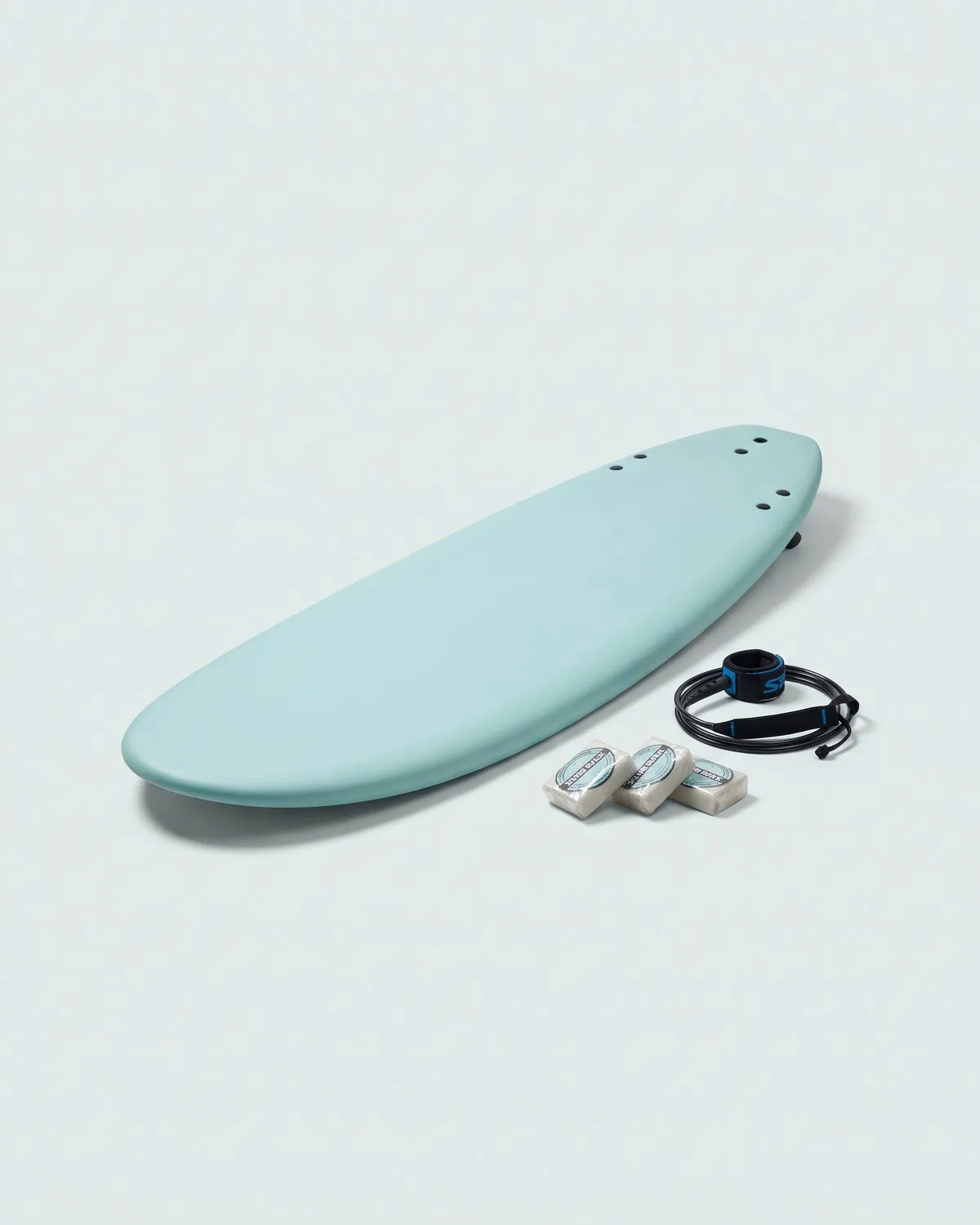
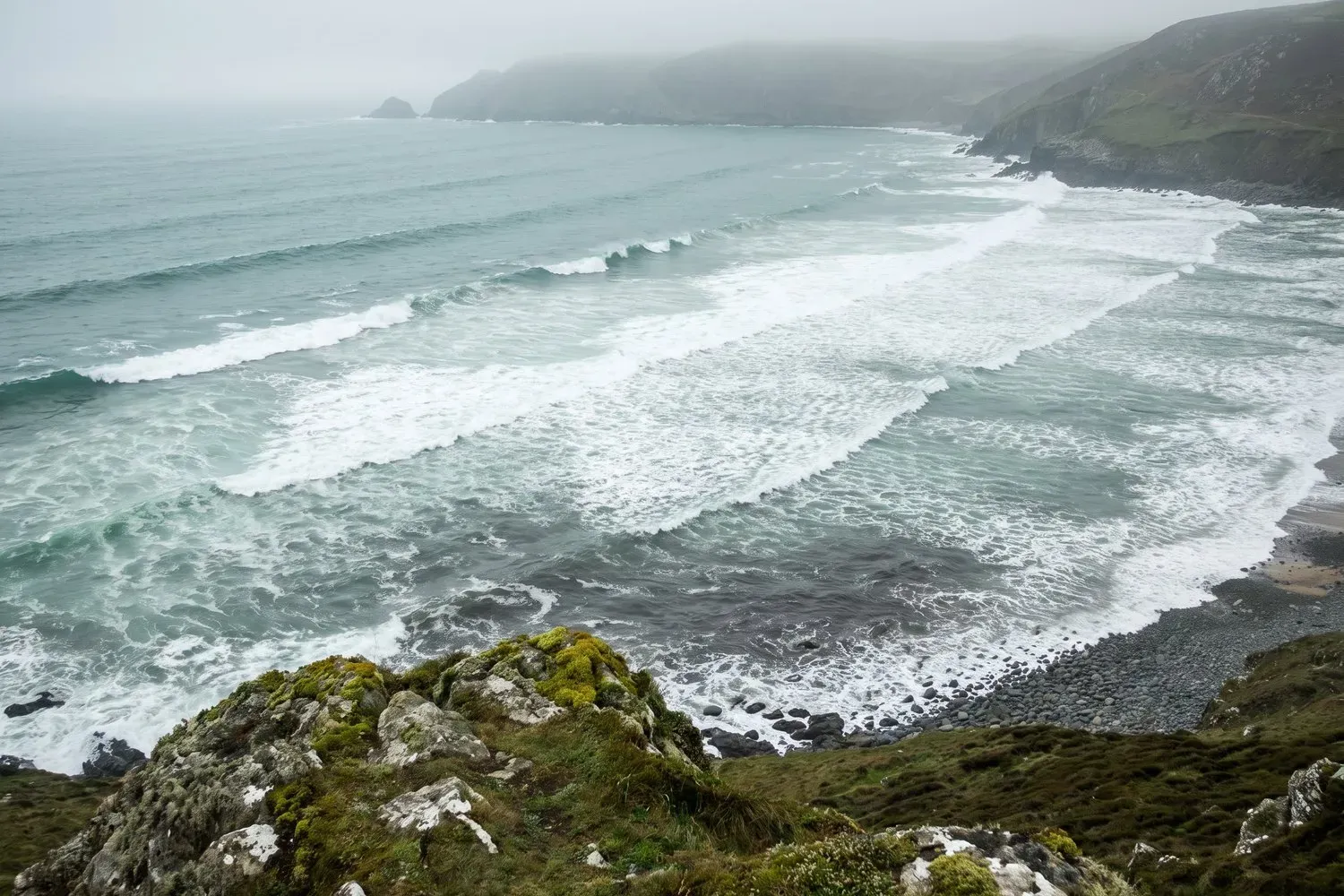
Swell height is the size of the waves out at sea, not at your beach. A two metre swell might arrive as head-high walls at an exposed reef and as knee-high ripples in a sheltered bay. Read it together with the direction. A swell coming from the west lights up the north coast of Cornwall; one from the south does more for the sheltered spots. Our beaches face different ways, so the same swell reads very differently from one bay to the next. The board guide explains which shapes suit which days, and what to look for in the water.
Period
Period is the time in seconds between waves. A short period of six to eight seconds means choppy, wind-driven swell with less energy, often smaller and messier on the beach. A longer period of twelve to sixteen seconds means groundswell that has travelled a long way and carries more push. Long period swell can look modest on the chart but arrive as clean, powerful waves. When the period is long, treat the height with a little respect, as the waves will hit harder than their size suggests.
Wind
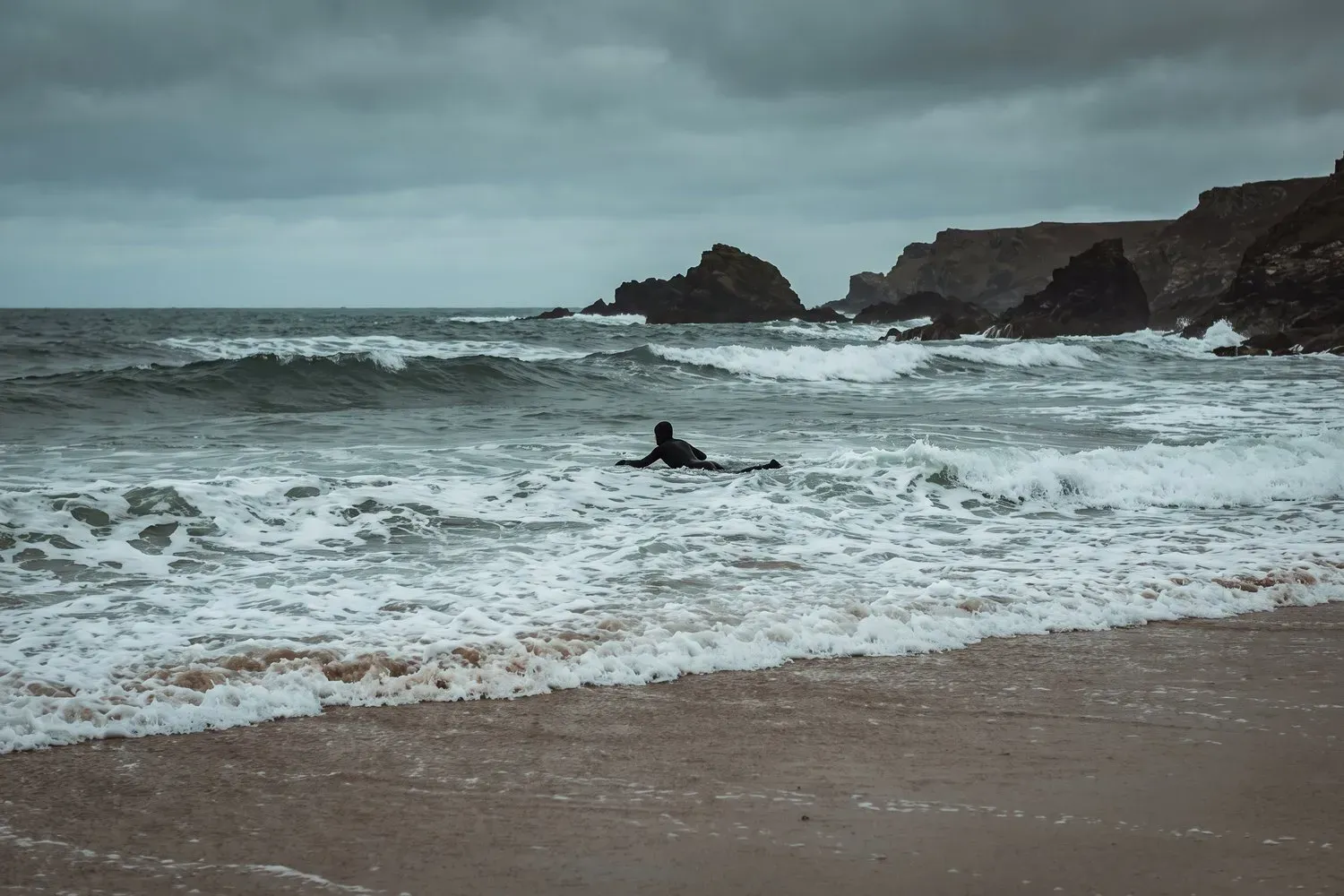
Wind is what makes or breaks a day. Offshore wind grooms the face of the wave and holds it up, and the same wind that feels cold on the beach can be perfect in the water. Onshore wind chops the surface and makes waves harder to catch. Cross-shore sits somewhere in between. Check the wind direction against the way your beach faces, and check the timing: a morning of offshore that turns onshore by lunch decides when to paddle out. Tide matters too, since some spots only work on a pushing tide and go flat as it drops.
A clean two metre, fourteen second swell with a light offshore is a good day at an exposed beach. The same height and period with a strong onshore is a washing machine. Size on its own tells you very little, so a small, clean, long period day is often better than a bigger, messy one. Read all three numbers together, and always check the sea for yourself before you paddle out, as a forecast is a guide and never a promise. Surf within your ability and choose a lifeguarded beach when you can.
A quick checklist
- Read swell height with its direction, not on its own.
- Long period means more push, treat the height with respect.
- Short period usually means smaller, choppier wind swell.
- Offshore wind grooms the wave, onshore chops it.
- Match the wind direction to the way your beach faces.
- Check the tide and when the wind is due to change.
- Look at the sea yourself, and surf within your ability.